Skip to content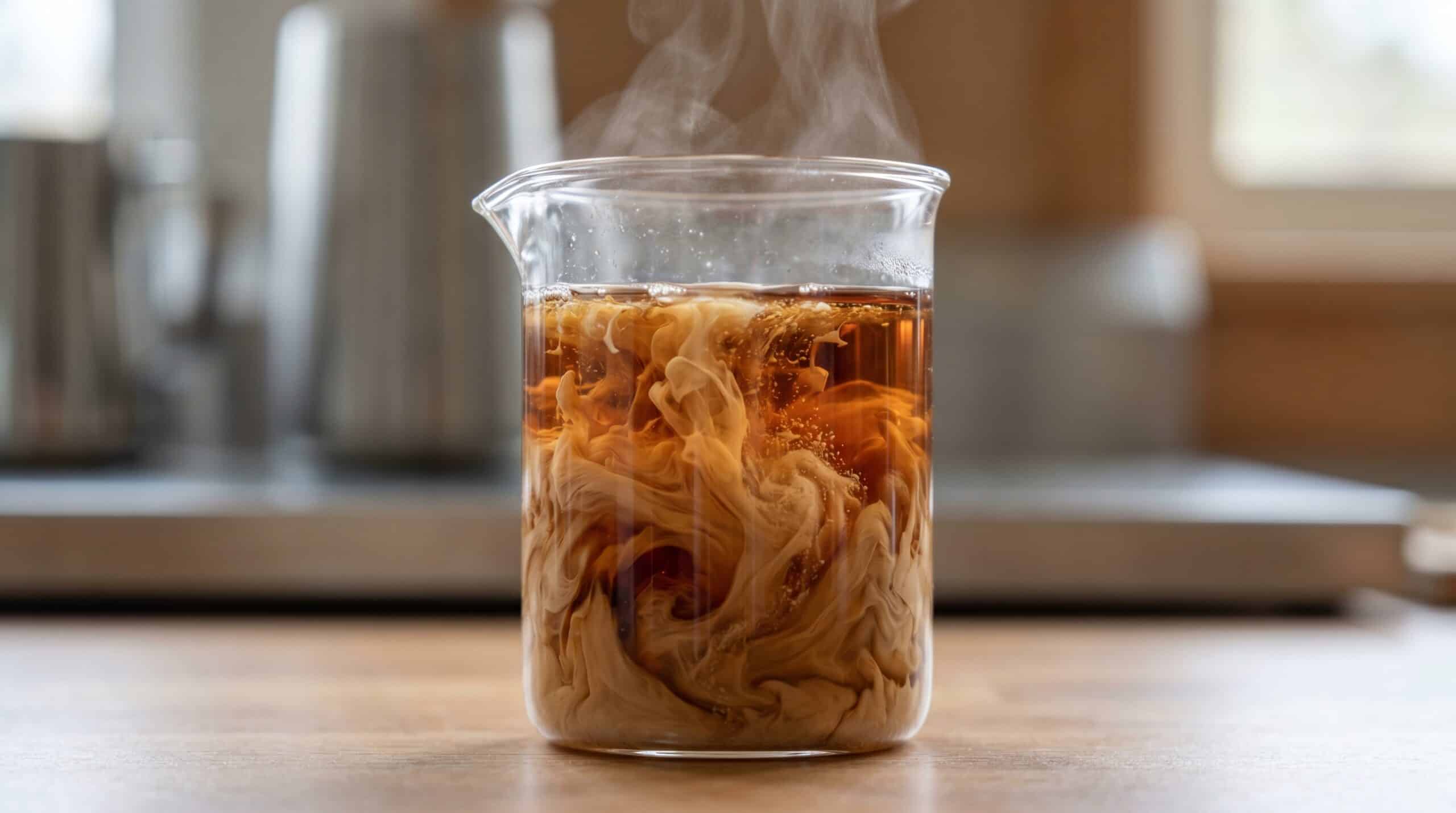
For rapidly expanding cafe franchises and beverage distributors, maintaining a consistent flavor profile across multiple locations is a daily operational challenge. When building a menu, the choice of liquid base fundamentally dictates your gross profit margins. Procuring premium bulk non dairy creamer is the most effective strategy to lock in that authentic, rich Taiwanese milk tea flavor while drastically reducing overhead costs. Unlike liquid dairy, which introduces significant spoilage risks and temperature control hurdles, commercial-grade powders offer unparalleled stability. This guide skips the generic marketing fluff to deliver pure, application-driven insights. We will analyze the exact cost-saving metrics, proper dissolution techniques, and the chemical advantages of sourcing top-tier bubble tea ingredients wholesale for your high-volume foodservice operation.
To construct a profitable beverage, operators must understand the food science behind their ingredients. Creamer does much more than simply whiten the tea.
When fresh milk is mixed with hot tea and a large volume of ice, its fat content struggles to bind with the water, resulting in a watered-down, thin mouthfeel. Conversely, commercial creamers are engineered with hydrogenated vegetable oils (such as coconut or palm oil derivatives) that possess superior emulsification properties. Consequently, the creamer binds seamlessly with the harsh tea tannins, creating a thick, velvety ‘body’ that resists dilution even as the ice melts in the customer’s cup. This is the secret to the signature texture of classic boba.
A vast percentage of the global population experiences some degree of lactose intolerance. By utilizing a non-dairy base as your shop’s default, you instantly make your core menu accessible to a significantly wider demographic without needing to stock expensive, highly perishable alternatives like oat or almond milk. (Note: Always verify ingredient labels with your supplier, as some non-dairy creamers still contain casein, a milk protein derivative).
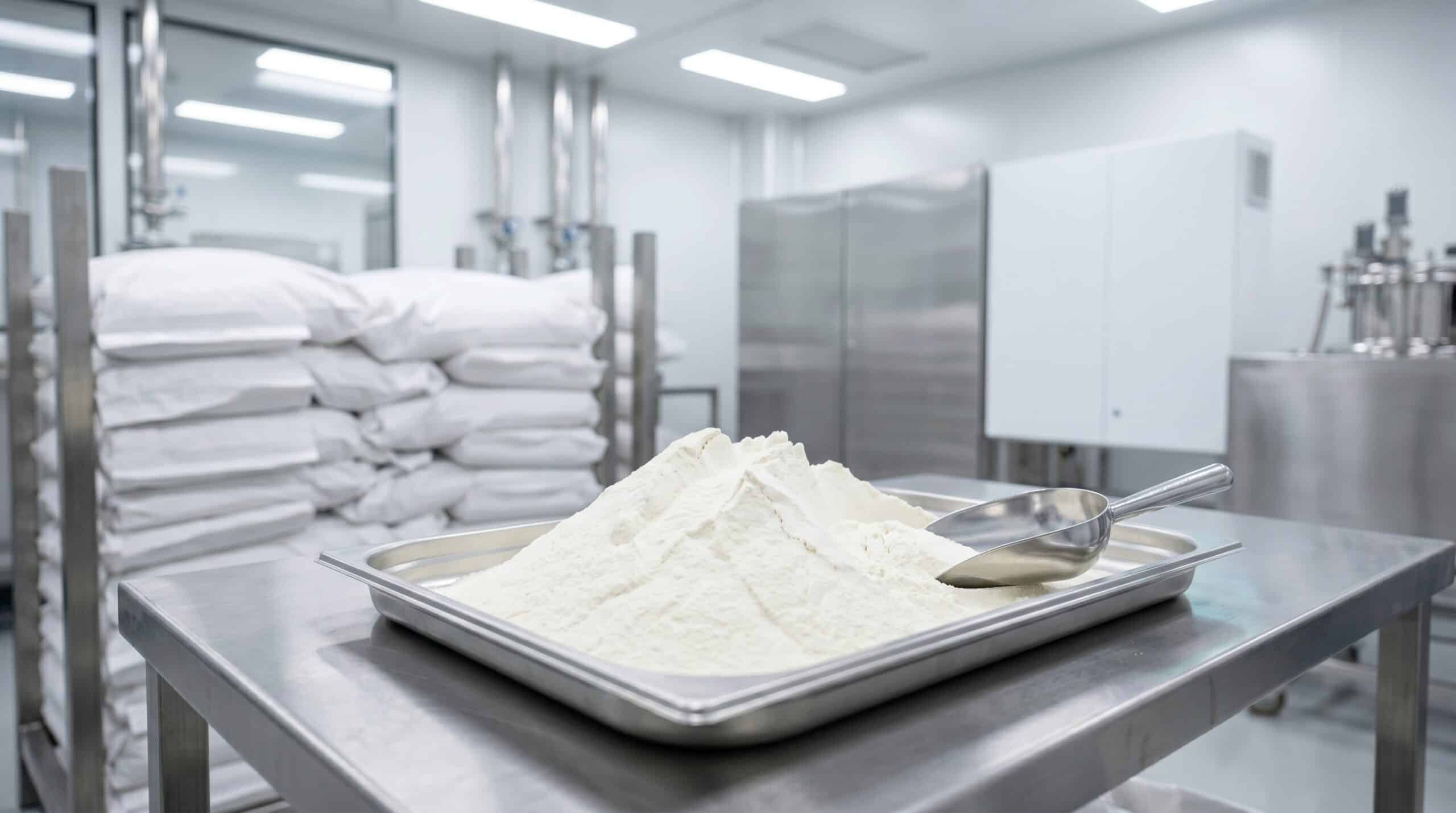
According to recent bubble tea market analysis, the single largest operational leak for independent cafes is fresh dairy spoilage. Transitioning to dry ingredients fundamentally changes your financial model.
Commercial Use-Case: Fresh milk expires within 7 to 10 days and requires continuous 4°C refrigeration. If a franchise experiences a slow sales week or a refrigerator malfunction, hundreds of dollars of inventory must be discarded. Ambient bulk powder, however, boasts a shelf life of 12 to 24 months. It requires only simple dry shelving. This logistical advantage allows store managers to buy in bulk on pallets, locking in low wholesale prices without fearing expiration dates.
Let us examine the exact cost-of-goods-sold (COGS). A standard 16oz milk tea using fresh milk might cost an operator $0.60 to $0.75 just for the dairy base. In contrast, using 40 grams of premium commercial creamer drops the base cost to roughly $0.15 to $0.20 per serving. Across 500 cups a day, that translates to over $200 saved daily, or $6,000 monthly in pure profit. This massive margin expansion is why global franchises strictly utilize powder bases.
Having the right powder is useless if your back-of-house staff does not mix it correctly. Strict Standard Operating Procedures (SOPs) are required.
Lipid-based powders require heat to activate and emulsify. The optimal water or tea temperature for dissolution is between 75°C and 85°C (167°F – 185°F). Mixing the powder directly into cold water will result in unappetizing, fatty clumps.
Operational SOP: Baristas should place the powder into a shaker, add 100ml of hot tea concentrate, stir vigorously until completely dissolved, and only then add the ice and remaining cold water.
Different teas require different fat ratios. A heavy, robust Assam black tea needs more creamer (e.g., 40g – 45g per 16oz cup) to cut its inherent bitterness. A delicate Jasmine Green Tea requires less (e.g., 25g – 30g) to prevent masking the floral notes. Furthermore, understanding how to sweeten bubble tea is critical. Always use an automated pump with liquid fructose rather than granulated sugar. Fructose dissolves instantly in the cold environment and acts as a chemical flavor enhancer for the creamer’s lipid content.
Q: Why do most bubble tea franchises use bulk non dairy creamer instead of fresh milk?
A: It provides an authentic, thick mouthfeel that resists ice dilution, cuts liquid base costs by up to 70%, and completely eliminates expensive cold-chain logistics and refrigeration overhead.
Q: How does non-dairy creamer affect the shelf life of pre-mixed drinks?
A: Pre-mixed large batches (like in a self-serve dispenser) using creamer can last 2 to 3 days under refrigeration without separating or turning sour, unlike fresh milk which degrades rapidly within 24 hours.
Q: Can bulk creamer be used in hot coffee and bakery applications?
A: Yes. It dissolves perfectly in hot espresso for lattes and is frequently folded into commercial bakery doughs to increase softness, moisture retention, and shelf life. Browse the HEFS-Boba product list to find creamers designed for multi-industry use.
Q: What is the optimal water temperature for dissolving non-dairy creamer?
A: Between 75°C and 85°C. Boiling water (100°C) can scald delicate tea flavors, while anything below 60°C will fail to melt the lipid fats, causing gritty clumps in the customer’s drink.
Q: How to sweeten bubble tea effectively when using unsweetened creamer bases?
A: Always utilize a specialized liquid fructose pump. Granulated sugar will not dissolve in iced drinks, leaving a sandy texture at the bottom of the cup.
Q: Does non-dairy creamer alter the flavor profile of delicate teas like Jasmine?
A: Yes, excessive fats can mask delicate floral notes. For light green or white teas, baristas must reduce the creamer dosage by approximately 30% compared to robust Black or Roasted Oolong teas.
Mastering your base formulation is the undisputed key to scaling your menu profitably. Do not let cold-chain logistics and fresh milk spoilage destroy your operating margins. Upgrade your commercial kitchen with our premium, shelf-stable ingredients today. Please get a wholesale quote and let our beverage experts assist you in formulating the perfect, high-margin drink menu.