Skip to content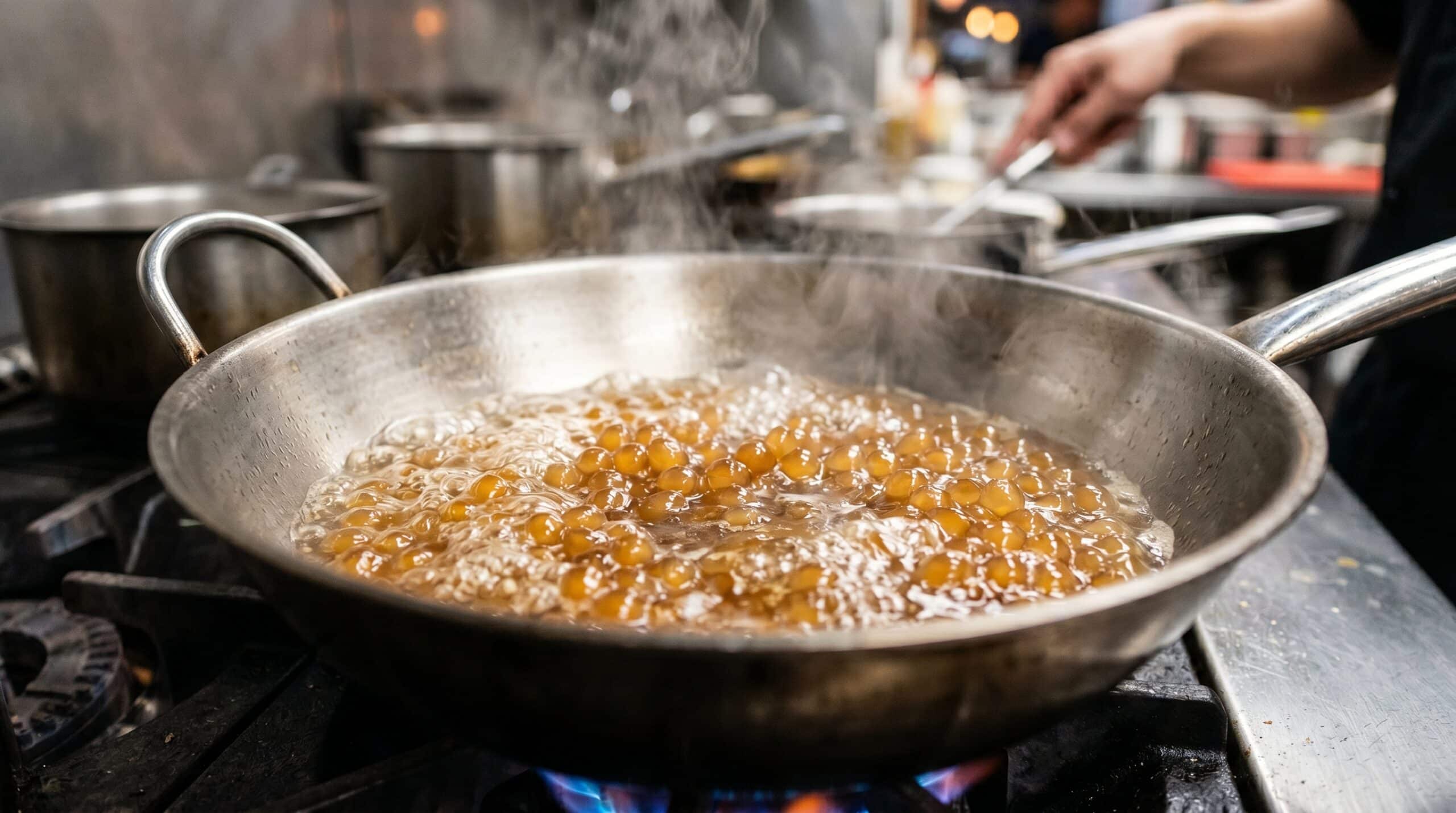
Operating a successful beverage franchise or dessert shop requires meticulous inventory management. For businesses expanding their operations, securing a reliable supply of bulk tapioca pearls is the foundational step toward achieving consistent profit margins. Traditional sourcing methods often result in fluctuating quality, leading to pearls that are either too mushy or too hard after a few hours on the serving line. This operational inconsistency directly harms customer retention. By partnering with a premier wholesale boba supplier, commercial kitchens can stabilize their supply chain and ensure every cup delivers the signature “QQ” (chewy) texture that consumers expect. This guide explores professional cooking protocols, holding techniques, and creative menu applications designed to maximize the yield of your tapioca inventory.
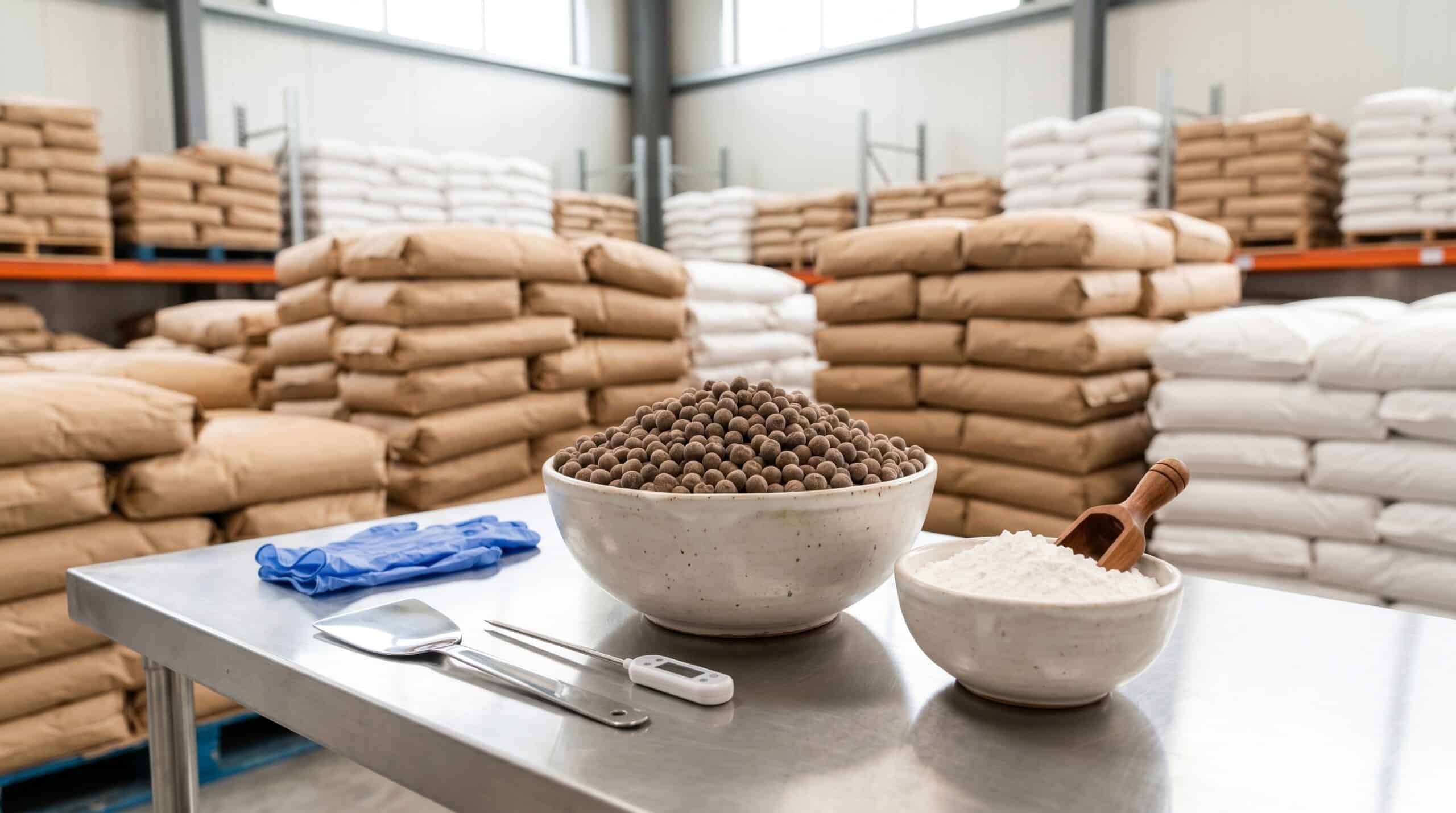
Purchasing ingredients inefficiently is the quickest way to erode profit margins. Shifting to bulk procurement offers significant operational advantages.
Purchasing ingredients in retail packaging severely inflates the cost-of-goods-sold (COGS). When cafes transition to bulk purchasing, they immediately reduce packaging waste and lower the per-gram ingredient cost. This bulk approach allows franchise owners to maintain a healthy profit margin even during promotional discounting periods. Furthermore, bulk shipping minimizes freight frequency, lowering overall logistical expenses.
The defining characteristic of premium tapioca is its “QQ” texture—a perfect balance of softness and a slightly resistant chew. Achieving this in a single cup is simple; maintaining it across a 500-cup daily volume requires commercial-grade raw materials. High-quality bulk pearls are scientifically formulated to withstand prolonged exposure to heat and dense sugar syrups without disintegrating into a starchy paste.
Even the best tapioca pearls can be ruined by poor back-of-house preparation. Following strict commercial protocols is mandatory.
Cooking large volumes of boba requires strict adherence to water-to-pearl ratios. The commercial standard is a 6:1 ratio (six parts boiling water to one part tapioca). Introducing pearls into water that has not reached a rolling boil will cause them to melt instantly. For optimal results, operators should boil the pearls for 30 minutes, stirring occasionally to prevent sticking, followed by a 30-minute covered steeping period off the heat.
While stovetop boiling is standard, modern boba shops are increasingly utilizing automated slow cookers or specialized boba maker machines. These automated systems maintain precise temperature control, drastically reducing the risk of burning the bottom layer of pearls.
Holding Tip: Once cooked and rinsed, the pearls must be coated in fructose or brown sugar syrup. To prevent hardening, they should be held in a commercial warming pot set to a constant 60°C (140°F) throughout the service shift.
Tapioca pearls are incredibly versatile. Expanding their use beyond basic milk tea can significantly elevate your dessert menu.
The most profitable application remains the classic Taiwanese milk tea. However, to differentiate your menu, consider utilizing bubble tea powder wholesale to create distinct flavor profiles like Hokkaido Milk Tea or Okinawa Brown Sugar. The deep caramel notes of well-steeped tapioca pair perfectly with rich, roasted tea bases, creating a premium beverage experience.
Tapioca is no longer confined to beverages. Modern bakeries and cafes are incorporating cooked boba into soufflé pancakes, egg tarts, and parfaits. Looking for more inspiration? Explore our extensive bubble tea menu ideas to keep your offerings fresh.
Commercial Application Tip: When using tapioca in cold desserts like Taiwanese shaved ice (Bingsu), the pearls will harden rapidly due to the extreme temperature drop. To counteract this, serve the warm, syrup-soaked boba in a separate small dish alongside the ice. This allows the customer to pour the boba over the dessert just before eating, preserving the perfect chewy texture.
Q: What is the exact shelf life of uncooked bulk tapioca pearls?
A: Uncooked tapioca pearls generally have a shelf life of 6 to 9 months when stored in a cool, dry, and dark environment. Understanding the shelf life of tapioca pearls is critical for inventory rotation. Once the vacuum-sealed bag is opened, the pearls should be used within a few days to prevent moisture loss.
Q: Can I use tapioca pearls in shaved ice (Bingsu) desserts?
A: Yes, but with a specific serving method. Because tapioca hardens quickly when exposed to freezing temperatures, it should never be mixed directly into the shaved ice during preparation. Serve the warm pearls on the side.
Q: How can bakeries incorporate tapioca pearls into pastries or pancakes?
A: Cooked boba can be layered between fluffy soufflé pancakes or used as a core filling for warm pastries. The heat from the baked goods helps maintain the pearls’ soft, chewy texture perfectly.
Q: What is the best way to keep cooked tapioca warm during a 10-hour cafe shift?
A: Cooked pearls should be thoroughly coated in sugar syrup and kept in a commercial holding pot or slow cooker at a steady 60°C (140°F). Even under optimal conditions, it is best practice to cook fresh batches every 4 hours to maintain peak quality.
Q: Do bulk tapioca pearls require refrigeration before cooking?
A: No. Uncooked pearls must be stored at room temperature. Refrigerating raw tapioca introduces condensation into the bag, which will ruin the structural integrity of the starch and cause crumbling.
Q: Can cooked boba pearls be frozen for later commercial use?
A: Commercial kitchens generally avoid freezing cooked pearls, as the thawing process alters the texture, making them mushy. For frozen applications, businesses must source specialized Instant IQF (Individually Quick Frozen) boba.
Scaling your beverage program requires consistent, high-quality ingredients and precise operational protocols. Partnering with a reliable supplier ensures you never run out of your core toppings during peak rush hours. To streamline your inventory and lock in competitive B2B pricing, contact our sales team today to secure your wholesale order and elevate your menu.