Skip to content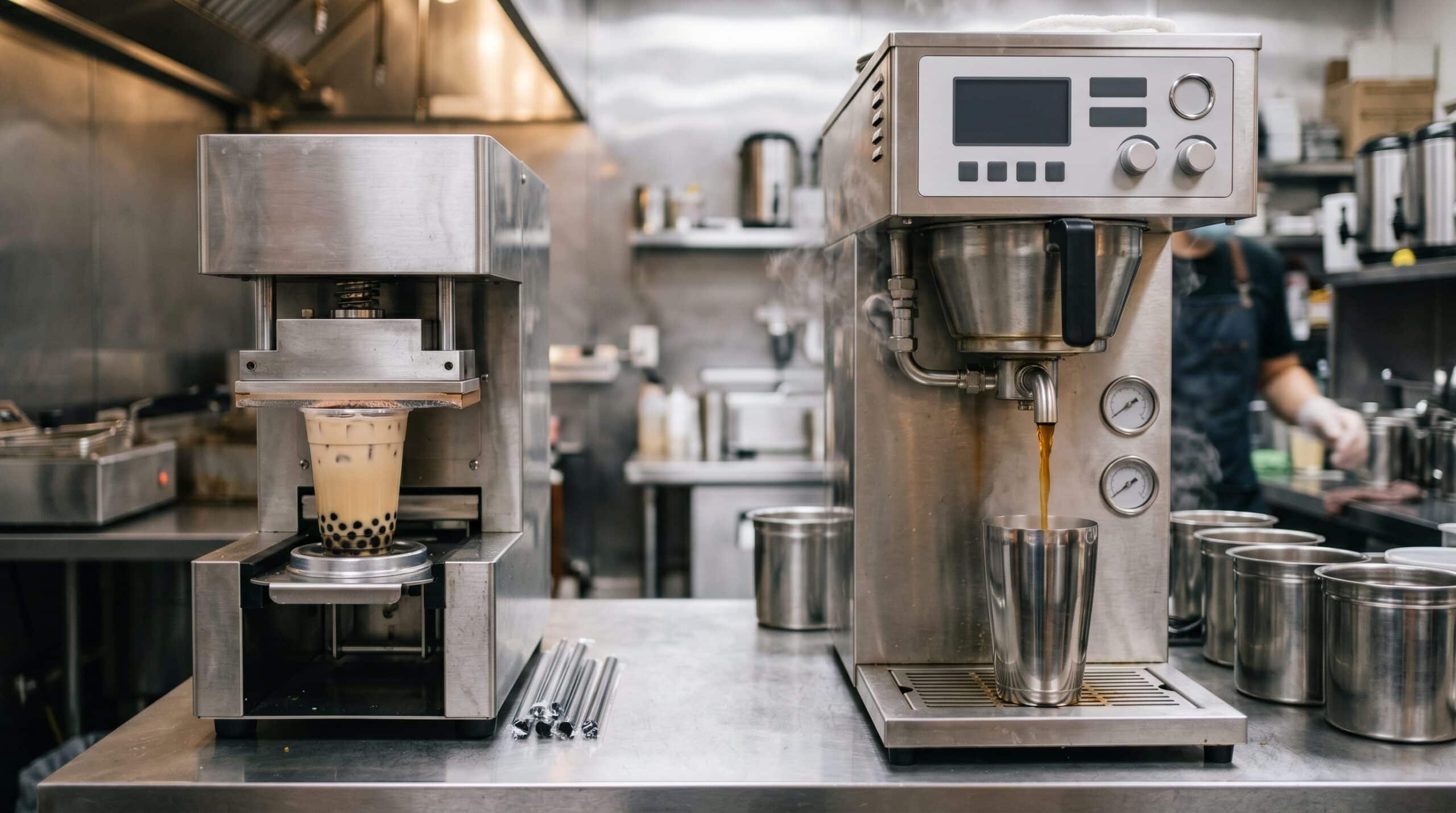
For many food and beverage entrepreneurs, figuring out exactly how to start a bubble tea business can feel overwhelming due to the sheer volume of equipment and ingredient options available. As the global demand for specialty beverages continues to skyrocket, simply opening a storefront is no longer enough to guarantee success. You must build a scalable, highly efficient operational model from day one. Many startups fail not because of bad recipes, but because they mismanage their inventory, overspend on inefficient manual labor, or choose the wrong hardware for high-volume service. This comprehensive guide strips away generic advice to focus purely on the commercial realities of running a profitable boba shop. We will dive deep into financial metrics, hardware applications, and strategic inventory sourcing to ensure your new franchise operates seamlessly.
Before signing a lease or purchasing hardware, founders must understand the underlying economics of the beverage industry.
A proper bubble tea market analysis reveals why this industry is so attractive to investors. Specifically, the Cost of Goods Sold (COGS) for a standard 16oz milk tea typically ranges between 15% to 20% of the retail price. For instance, a premium drink selling for $6.00 often costs less than $1.20 in raw materials (tea leaves, creamer, fructose, tapioca, and packaging). Consequently, this leaves an 80% gross margin to cover labor, rent, and marketing. To maintain these margins, standardizing recipes to prevent ingredient waste is absolutely critical.
Success depends entirely on location and demographic alignment. Gen Z consumers prioritize visually striking beverages with unique textures, making popping boba and layered fruit teas highly profitable. Conversely, young professionals near office districts prioritize speed and caffeine content, favoring robust Oolong or Assam milk teas. Therefore, your inventory and equipment choices must directly reflect the purchasing habits of the foot traffic surrounding your specific storefront.
Purchasing the right equipment needed for boba shop is about reducing labor costs and eliminating human error during a lunch rush.
Hand-pumping sugar syrup leads to inconsistent drink profiles and sticky countertops. An automatic fructose dispenser allows you to program specific volumes (e.g., 15ml for 50% sweetness, 30ml for 100% sweetness). Consequently, any new hire can perfectly sweeten a drink with a single button press, drastically reducing training time.
Furthermore, the automatic cup sealer is non-negotiable for modern cafes. Unlike traditional plastic lids that pop off during delivery transit, a heated sealer securely welds a plastic film over the cup. This prevents spills completely, satisfying third-party delivery drivers (UberEats, DoorDash) and allowing customers to violently shake the drink to mix the ingredients before piercing it with a fat straw.
Brewing large batches of tea in regular pots yields bitter, over-extracted tannins. Commercial tea brewers utilize precise temperature control (e.g., 85°C for Green Tea, 95°C for Black Tea) and timed steep cycles, ensuring a smooth, astringent-free base every time.
Similarly, cooking bulk tapioca on a standard stovetop requires a staff member to stir constantly to prevent burning the bottom layer. A commercial tapioca cooker automates the boiling and resting phases, utilizing electromagnetic heating to cook the pearls evenly. Thus, it frees up your staff to handle customers rather than watching a pot boil.
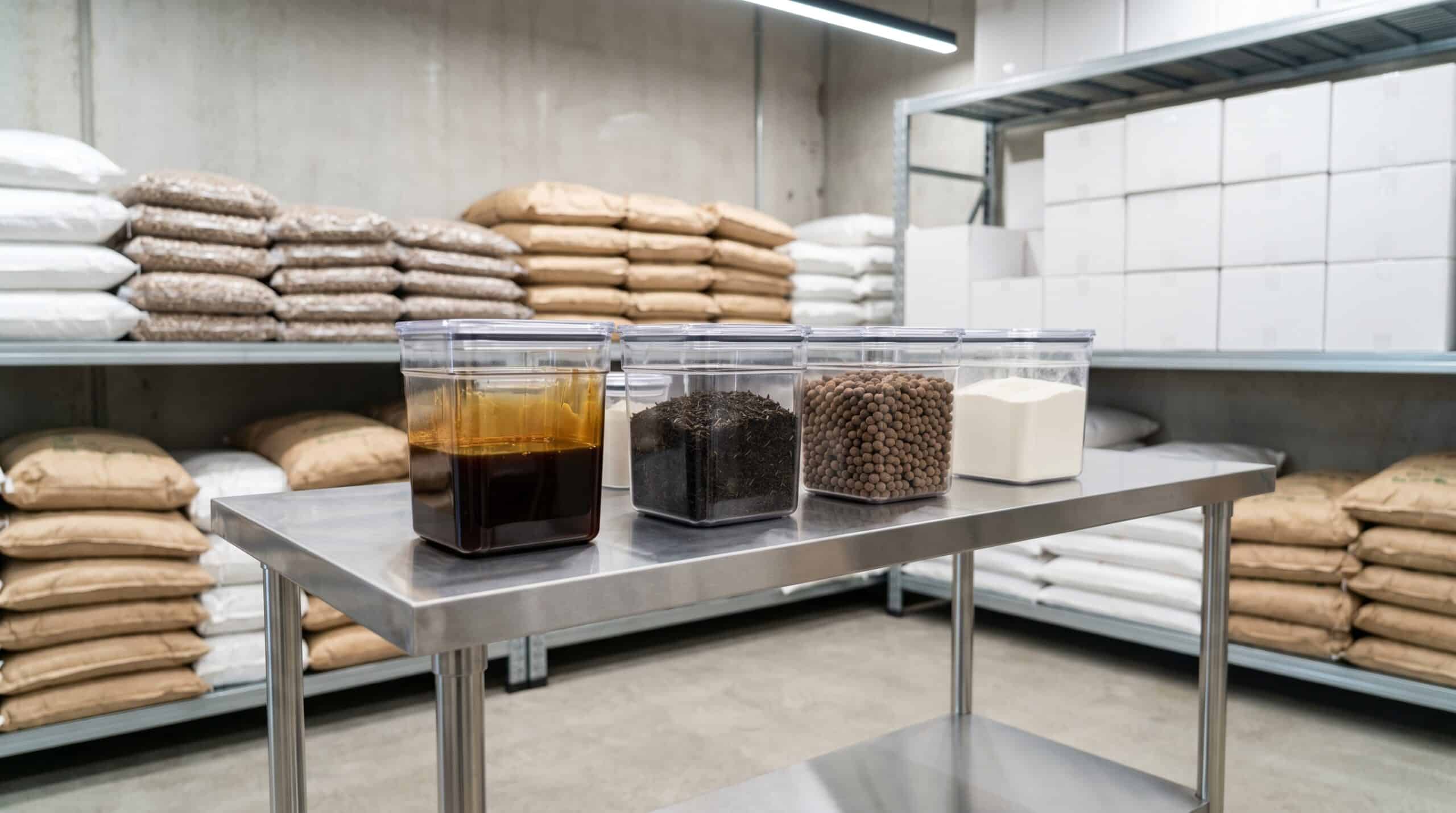
Selecting the right ingredients balances flavor quality with shelf-life logistics.
Fresh milk spoils quickly and requires massive refrigeration space. By incorporating bulk non dairy creamer into your base recipes, you solve three problems simultaneously: it extends ingredient shelf life, reduces refrigeration overhead, and provides a richer, creamier mouthfeel that fresh milk simply cannot achieve when mixed with ice. Additionally, versatile powders like Taro or Matcha can be used across smoothies, milk teas, and even baked goods.
Never serve your drinks in blank plastic. Integrating custom printed boba cups into your initial inventory is the most cost-effective marketing strategy available. When a customer walks down the street or posts a photo on Instagram, a high-quality cup featuring your distinct logo acts as a walking billboard. It instantly elevates your shop from a generic stall to a premium, recognizable franchise.
Q: What commercial equipment is absolutely essential to start a bubble tea business?
A: At a bare minimum, you need an automatic cup sealer, a programmable fructose dispenser, a commercial tea brewer, and a dedicated tapioca cooker. These four machines ensure speed, consistency, and spill-proof delivery.
Q: How do custom printed boba cups increase local brand awareness?
A: Since boba is a highly visual, ‘Instagrammable’ product, customers frequently photograph their drinks. A custom logo ensures that every social media post acts as free localized advertising, driving foot traffic back to your store.
Q: What are the most profitable bubble tea menu items for startups?
A: Fruit teas combined with popping boba, and classic milk teas made with bulk non-dairy creamer, yield the highest margins. They require low-cost ingredients while allowing for premium retail pricing due to visual appeal.
Q: How much space is required for a standard boba preparation counter?
A: A highly optimized commercial boba layout requires roughly 150 to 200 square feet specifically for the prep counter. This provides enough linear space for the sealer, shaker machines, ice bins, and topping stations without causing cross-traffic collisions between staff.
Q: Should a new boba shop use fresh milk or bulk non-dairy creamer?
A: While offering a fresh milk option is good for specific demographics, bulk non-dairy creamer should form your core base. It avoids dairy spoilage, requires zero refrigeration before mixing, and provides the classic thick texture associated with authentic Taiwanese milk tea.
Q: How can mobile food trucks integrate a bubble tea menu effectively?
A: Food trucks face extreme space and power limitations. They should utilize pre-mixed flavored powders and non-dairy creamers to eliminate refrigerator needs. Furthermore, using ready-to-serve popping boba instead of raw tapioca completely bypasses the need for a 60-minute cooking process in a cramped truck.
Launching a successful beverage brand demands precision in both equipment selection and ingredient sourcing. Don’t let operational inefficiencies eat into your profit margins. If you are ready to build a menu designed for high-volume commercial success, please request an OEM quote today. Let our experts supply the hardware and premium ingredients your franchise needs to thrive.