Skip to content
 The global bubble tea industry continues to experience remarkable growth, and one ingredient is leading the innovation wave: Popping Boba.
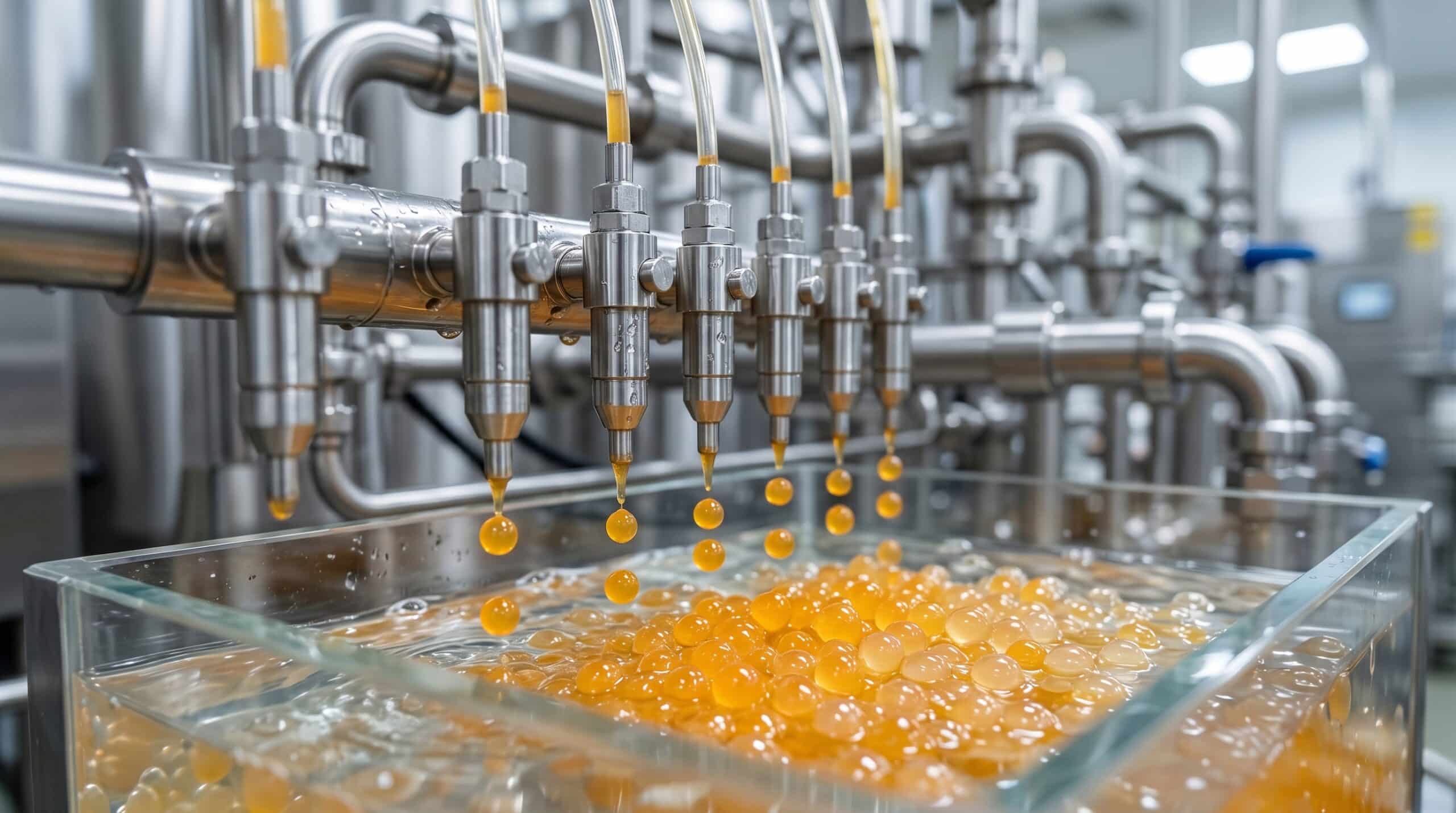
Unlike traditional tapioca pearls, popping boba delivers an exciting burst of fruit flavor with every bite. Its colorful appearance, wide variety of flavors, and social-media appeal make it one of the most requested toppings among modern consumers. According to industry observations, popping boba has expanded beyond milk tea into smoothies, frozen yogurt, desserts, and specialty beverages worldwide.
For beverage brands looking to stay competitive in 2026, understanding how to source and utilize popping boba effectively has become essential.
Several factors contribute to the rapid adoption of popping boba:
| Consumer Trend | Impact on Beverage Brands |
|---|---|
| Instagram-worthy drinks | Higher customer engagement |
| Fruit-based flavors | Appeals to health-conscious consumers |
| Customizable toppings | Increased average order value |
| Novel texture experience | Encourages repeat purchases |
| Cross-category applications | Suitable for tea, yogurt, desserts, and cocktails |
Popping boba originated as an innovative alternative to traditional tapioca pearls and quickly gained popularity due to its juicy center and thin membrane that bursts when consumed.
Today, successful bubble tea chains are actively incorporating new popping boba flavors into seasonal menus to attract younger audiences.
Many beverage entrepreneurs ask whether they should choose traditional tapioca pearls or popping boba.
The answer is simple:
Offer both.
| Feature | Traditional Tapioca Pearls | Popping Boba |
|---|---|---|
| Texture | Chewy | Bursting |
| Main Ingredient | Tapioca Starch | Fruit Juice Filling |
| Shelf Life | Short after cooking | Long-term sealed storage |
| Flavor Variety | Limited | Extensive |
| Visual Appeal | Moderate | High |
| Social Media Potential | Medium | Excellent |
Traditional pearls remain essential for classic milk tea, while popping boba enables premium menu innovation.
For businesses sourcing ingredients, combining both options creates a broader customer appeal.
Learn more about wholesale ingredients through the HEFS Product Collection:
https://hefs-boba.com/product/
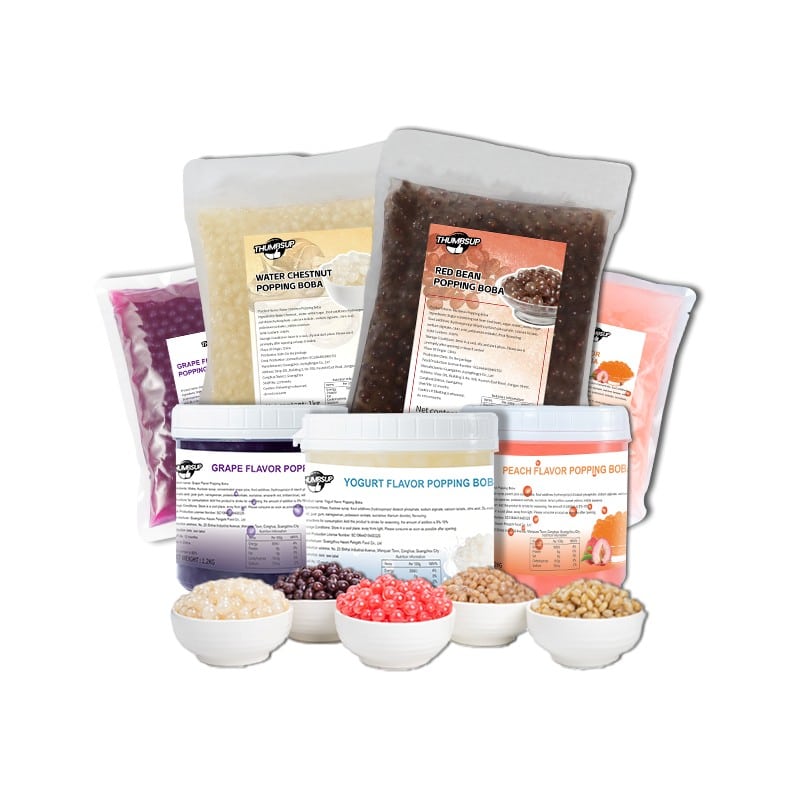
Based on market demand and supplier offerings, the most popular flavors include:
A tropical bestseller suitable for fruit teas and smoothies.
Ideal for colorful beverages and dessert applications.
Offers a sweet-tart profile favored in summer menus.
Popular throughout Southeast Asia and the Middle East.
Frequently used in yogurt and frozen dessert products.
HEFS currently offers multiple fruit flavor options designed specifically for commercial beverage operations.
Modern beverage brands are becoming increasingly creative.
Popping boba enhances:
Premium milk tea shops combine:
with fruit popping pearls to create signature menu items.
Popping boba is commonly used in:
Many cafés are now incorporating popping boba into:
This versatility explains why popping boba has become a staple ingredient for beverage operators worldwide.
Proper storage significantly affects product quality.
According to HEFS commercial guidelines:
Failure to follow these procedures may result in texture degradation and flavor loss.
For growing beverage chains, implementing proper inventory management can significantly reduce ingredient waste.
The bubble tea industry has shifted dramatically from simple ingredient sourcing toward full-service manufacturing partnerships.
Modern beverage brands increasingly seek:
Unique flavors help brands stand out from competitors.
Customized packaging strengthens brand recognition.
Manufacturers can adjust sweetness levels and flavor intensity based on regional market preferences.
Certified manufacturers help ensure:
HEFS provides OEM and ODM solutions tailored to international beverage businesses, serving customers across multiple global markets.
Founded in 1998, HEFS has developed into a comprehensive bubble tea ingredient manufacturer specializing in:
Key advantages include:
Over two decades of industry experience support product consistency and innovation.
Instead of sourcing ingredients from multiple vendors, buyers can streamline procurement through a single supplier.
HEFS exports products to numerous international markets and supports large-scale wholesale operations.
For more information:
The next phase of industry growth is expected to focus on:
Consumers increasingly demand lower-sugar beverage options.
Real-fruit-based flavor systems continue gaining popularity.
Ingredients supporting wellness trends are becoming more important.
Creative textures and flavor combinations will continue driving menu innovation.
Manufacturers capable of rapid product development and customization will be best positioned to support emerging beverage brands.
Popping boba consists of a thin gel membrane surrounding a flavored liquid center, usually fruit juice-based.
Unopened products generally last 12–18 months when stored properly. After opening, refrigeration is required.
Yes. Many beverage brands use popping boba in milk teas, fruit teas, smoothies, and desserts.
Yes. OEM manufacturers such as HEFS offer flavor customization services for commercial buyers.
Wholesale manufacturers provide better pricing, consistent quality, private labeling, and large-scale production capabilities.
As consumer demand for visually appealing and flavorful beverages continues to grow, Popping Boba Wholesale has become one of the fastest-growing sectors within the bubble tea supply industry.
Whether you operate a bubble tea chain, café, frozen yogurt brand, or beverage distribution company, incorporating premium popping boba products into your menu can increase customer engagement and create new revenue opportunities.
With extensive OEM/ODM capabilities, global export experience, and a complete portfolio of bubble tea ingredients, HEFS is positioned as a valuable supply partner for beverage businesses looking to scale in 2026 and beyond.