Skip to content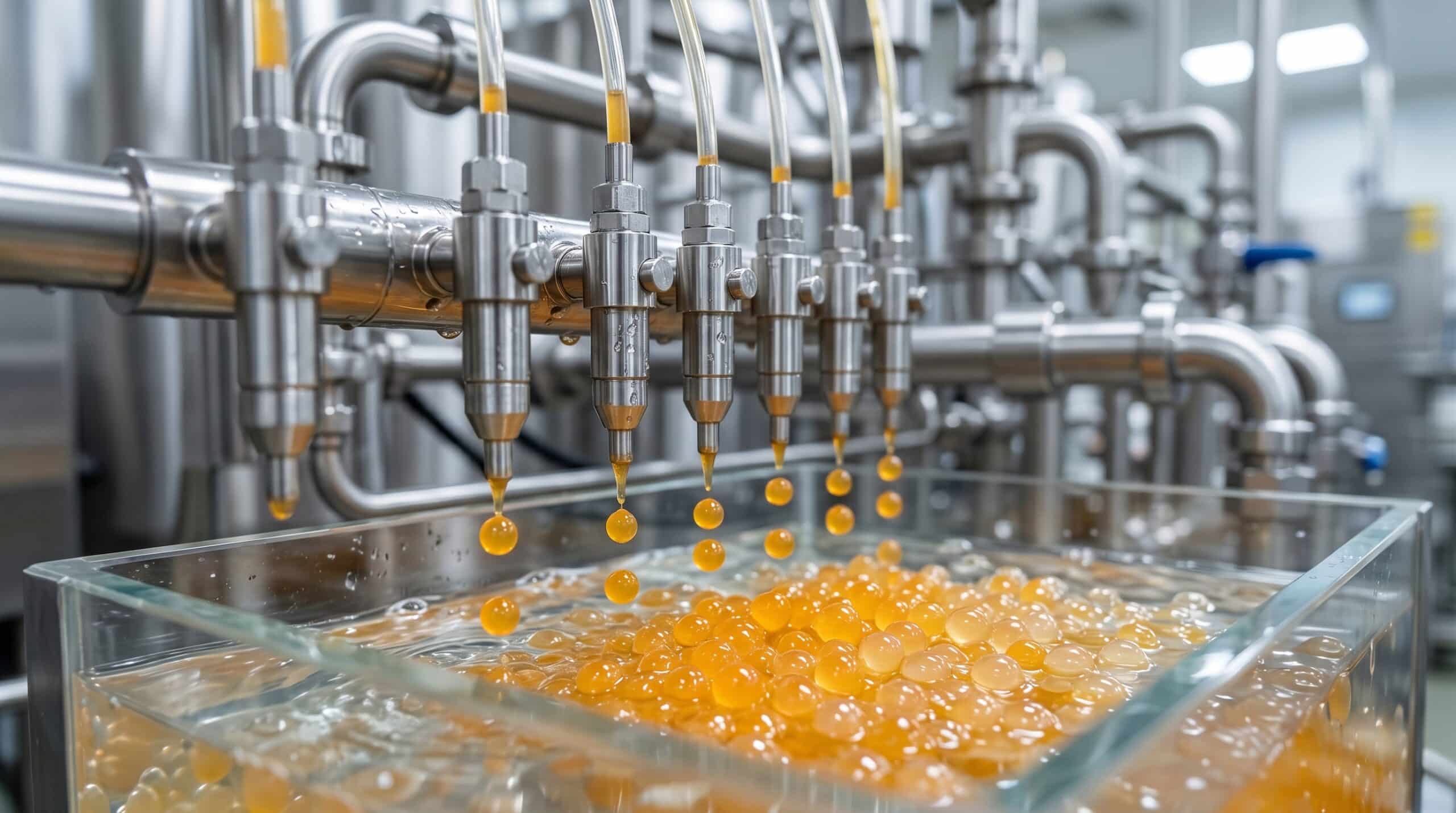
In the rapidly saturating global beverage market, differentiating your menu is no longer just an advantage—it is a commercial necessity. For café owners and distributors, simply offering standard tapioca is often insufficient to capture the interest of modern, experiential consumers. Partnering with a premier popping boba manufacturer allows you to inject high-margin innovation into your product lineup. Unlike traditional starch-based pearls, popping boba offers a unique ‘bursting’ sensation that instantly elevates the perceived value of a drink or dessert. However, understanding the technical limitations and versatile applications of these juice-filled spheres is key to scaling your operation efficiently. This guide moves beyond generic marketing to provide actionable B2B insights on how to integrate high-quality wholesale beverage ingredients into diverse foodservice models.
Successful menu development begins with understanding the physical properties of your ingredients. Popping boba is a result of molecular gastronomy, specifically a process known as direct spherification.
When engineers explain how is popping boba made, they focus on the interaction between sodium alginate (a natural extract from brown seaweed) and calcium chloride. Real fruit juice is mixed with the alginate and dropped into a calcium-rich solution. The instant contact creates a cross-linked gel membrane that is paper-thin yet remarkably resilient. This membrane encapsulates the liquid core, ensuring that the fruit flavor remains sealed until the customer bites into it. Consequently, this provides a burst of freshness that cannot be replicated by syrups alone.
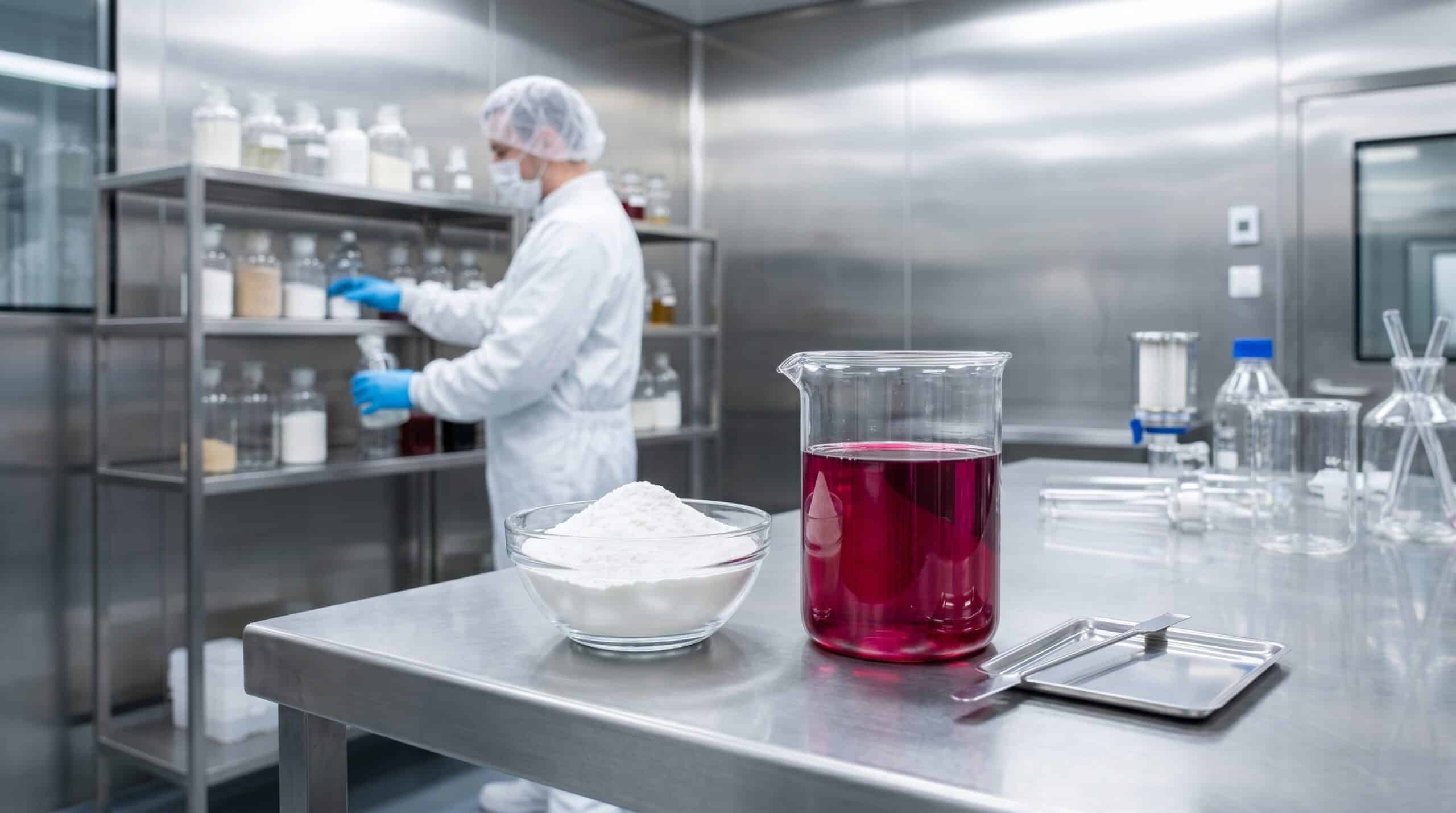
In a high-volume commercial kitchen, the thickness and stability of this membrane are critical. Low-grade pearls often suffer from ‘skin residue’—a plastic-like mouthfeel that occurs when the manufacturer uses excess thickeners to save costs. Alternatively, unstable pearls may rupture prematurely in the storage tub, clouding the base beverage. A professional manufacturer regulates the membrane at a micrometer level, ensuring clarity, roundness, and a clean ‘pop’ every time.
| Feature | Requirement for Commercial Use | Operational Benefit |
| Membrane Source | Pure Sodium Alginate | Clean mouthfeel with no plastic residue. |
| Liquid Core | Real Fruit Juice Concentration | Authentic flavor profile for premium pricing. |
| Storage Stability | Ambient unopened, chilled after opening | Minimizes spoilage and logistics costs. |
| pH Resistance | Stable in alcohol and acidic teas | Enables use in cocktails and fruit teas. |
Popping boba is significantly more versatile than traditional pearls. Because it requires no cooking, it drastically reduces prep time in the back-of-house.
For self-serve yogurt shops, popping boba is a top-performing weight-based topping. Specifically, because these pearls are vibrant and translucent, they serve as the primary ‘visual hook’ for social media-focused customers. Operational Tip: Place popping boba at the top of the frozen dessert. If mixed aggressively into ice-cold slushes, the membrane can become slightly firm; placing them as a garnish preserves the perfect bursting sensation. Mango and Strawberry flavors are current B2B favorites for pairing with tart yogurt bases.
Mixologists are increasingly using popping pearls to replace traditional muddling. The alginate skin is remarkably stable in high-alcohol environments. Consequently, you can add Lychee or Green Apple boba to a sparkling Gin Fizz or a Mojito. As the carbonation rises, the boba dances in the glass, providing a stunning dynamic effect. When the customer sips through a wide-bore straw, the sudden juice burst provides a refreshing counterpoint to the alcohol’s bite, creating a memorable molecular cocktail experience.
While popping boba is not heat-stable (it cannot be baked in an oven), it is an extraordinary garnish for cold-chain pastries. Specifically, it excels as a topping for Panna Cotta, unbaked Cheesecakes, and fruit tarts. Specifically, placing Blueberry popping pearls on a lemon mousse tart adds a layer of acidity that cuts through the creaminess. This application allows bakeries to charge a premium ‘Artisan’ price for otherwise standard desserts.
Scaling a franchise requires more than just good ingredients; it requires a reliable supply chain.
To protect your market position, large franchises often require proprietary flavor profiles. According to HEFS-Boba About Us, we provide custom juice blending and color matching. This ensures that your brand’s signature drink cannot be easily copied by local competitors using off-the-shelf ingredients.
Maintaining inventory during peak summer months is a common pain point. Partnering with a manufacturer ensures pallet-level pricing and guaranteed stock availability. Furthermore, investing in proper boba shop equipment, such as automatic dispensers, ensures that your staff applies the exact 30g-40g serving size per cup, preventing waste and stabilizing profit margins.
Q: Can popping boba be used in hot beverages like coffee?
A: No. The sodium alginate membrane is heat-sensitive. Exposing it to liquids above 60°C (140°F) will cause it to melt, resulting in leaked juice and a loss of texture. It is strictly for cold or room-temperature applications.
Q: How do frozen yogurt shops utilize popping boba effectively?
A: Use them as ‘Premium Toppings’ at the front of the topping bar. Their bright colors attract attention. Always provide 12mm straws even for yogurt, as customers enjoy the pop with every spoonful.
Q: Are popping pearls suitable for alcoholic cocktails?
A: Yes. They are a staple in molecular mixology. They do not dissolve in high-proof spirits and provide a sophisticated way to add flavor bursts without the cloying sweetness of concentrated syrups.
Q: Does a popping boba manufacturer offer custom flavors for large franchises?
A: Yes. At certain MOQs, manufacturers can create exclusive flavors, such as Yuzu, Hibiscus, or proprietary berry blends, allowing your menu to remain unique.
Q: What is the ideal serving size of popping boba for a standard 16oz drink?
A: The industry standard is 30g to 45g (one standard slotted spoon). This provides 8-12 pearls per cup, ensuring the customer gets the ‘pop’ experience in every third sip without overwhelming the base drink.
Q: Can bakeries use popping boba as a cake topping?
A: Yes, but only for chilled or ambient cakes. They are excellent for mousse cakes and parfaits. If you try to bake them in a sponge cake, they will dissolve into the batter.
Ready to transform your menu and boost your margins? Don’t let your business settle for mediocrity. Stop competing on price and start competing on innovation. Please request a bulk quote today to see how our premium popping pearls can revolutionize your commercial beverage program.