Skip to content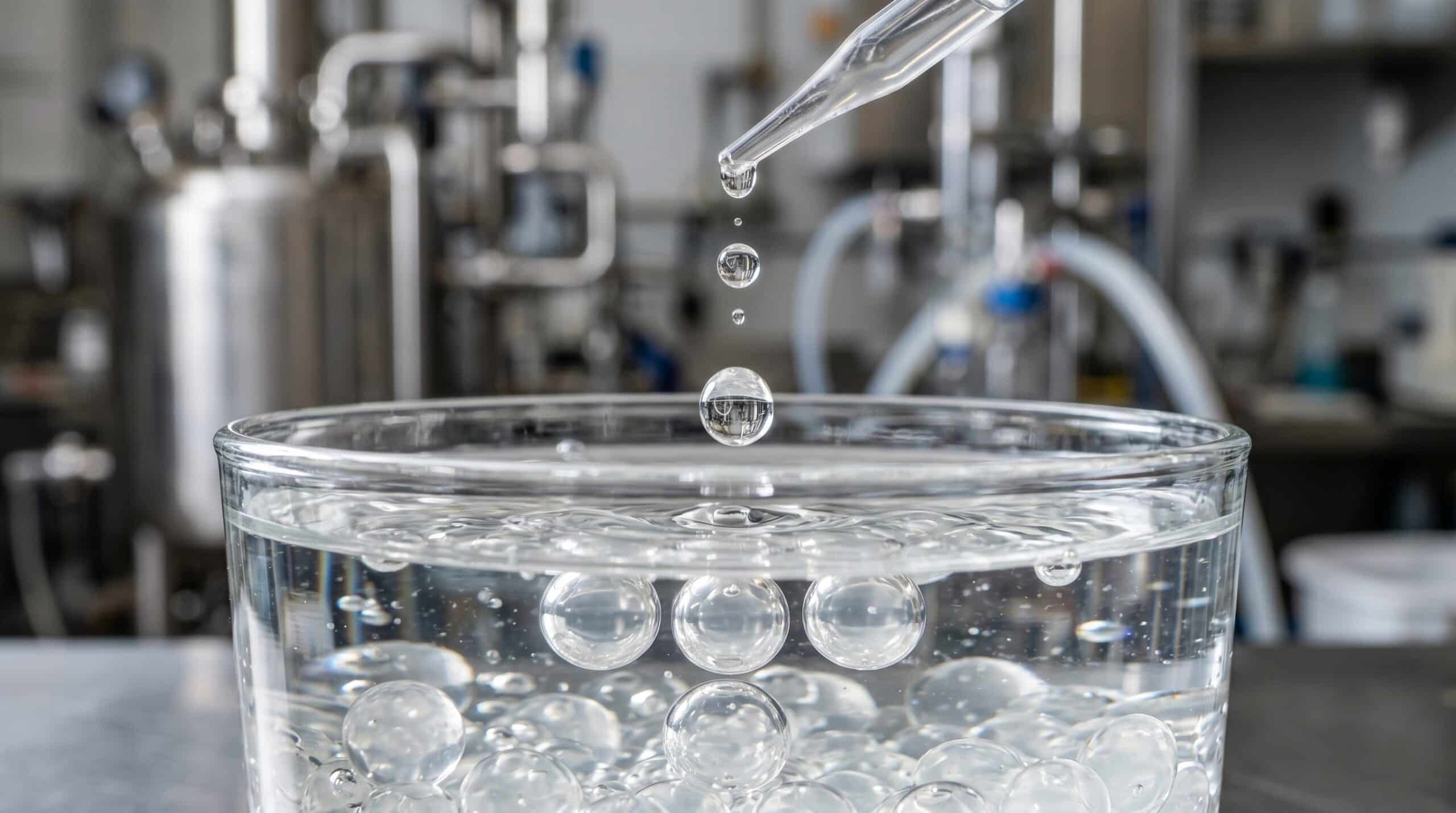
When scaling a modern beverage franchise, the debate of tapioca pearls vs popping boba is no longer just about flavor—it is a critical decision regarding operational efficiency and profit margins. For cafe owners and distributors, every topping added to the menu introduces specific variables in preparation time, labor costs, and storage logistics. While traditional boba remains the backbone of the industry, popping pearls have surged in popularity as a ‘zero-prep’ alternative that drives high-ticket visual appeal. Consequently, failing to strategically pair the right topping with the right drink can lead to unnecessary waste and inconsistent customer experiences. This guide bypasses the generic ‘which is better’ debate to provide a deep, application-focused analysis. We will compare the physical properties, back-of-house demands, and menu pairing logic to help you select the most profitable inventory from your bubble tea toppings supplier.
Consumer loyalty in the boba industry is driven by mouthfeel. Understanding the material science behind each topping is the first step in successful menu engineering.
Traditional tapioca pearls are starch-based, primarily derived from cassava root. When cooked, the starch granules undergo gelatinization, resulting in the famous ‘QQ’ texture—a balance of soft exterior and a bouncy, resilient core. This texture is the industry gold standard for comfort. Specifically, consumers associate the chewiness of tapioca with high-quality, authentic Taiwanese milk tea. However, because starch begins to retrograde (harden) once it cools below 60°C, tapioca requires consistent thermal management to maintain this appeal.
In contrast, popping boba utilizes molecular gastronomy. By understanding how is popping boba made, we know it features a calcium-crosslinked sodium alginate membrane. Instead of chewing, the customer experiences a ‘pop’ that releases a burst of liquid fruit juice. Specifically, this provides an immediate flavor impact that static starch pearls cannot offer. Because the core is liquid, popping boba does not rely on starch gelatinization, making it significantly more stable in iced environments and acidic fruit bases.
Operational speed is where the divide between these two toppings becomes most apparent in a commercial setting.
Managing labor is a cafe’s biggest overhead. Sourcing bulk tapioca pearls requires a minimum 60-minute commitment (30 minutes boiling, 30 minutes steeping) for every batch. Furthermore, staff must stir the pot constantly to prevent scorching. Consequently, if your shop runs out of boba during a lunch rush, there is a one-hour blackout where you cannot serve your bestseller.
Popping boba, however, is a ‘ready-to-serve’ product. It requires zero heat application and zero back-of-house prep time. Baristas simply scoop the pearls directly from the wholesale tub. For fast-paced food trucks, high-volume theme parks, or cinemas, this instant serviceability drastically reduces labor costs and eliminates the risk of running out of toppings mid-shift.
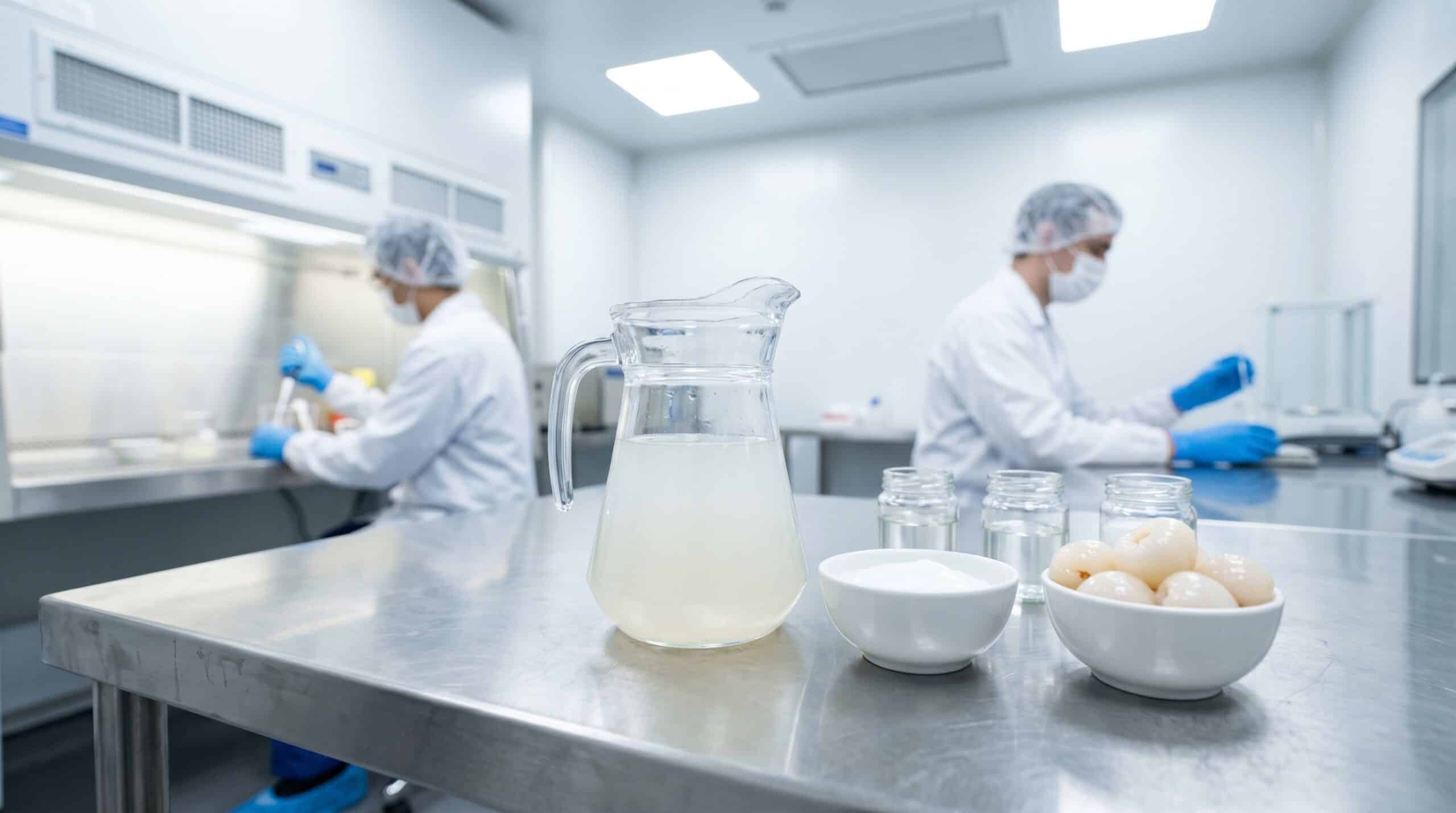
Cooked tapioca has a notoriously short commercial lifespan of 4 to 6 hours. After this window, the pearls lose their chewiness and must be discarded, directly impacting your food cost percentage. Conversely, unopened popping boba tubs are ambient-stable for months. Once opened, they require simple refrigeration and can last for several weeks in their original syrup. Specifically, this makes lychee popping boba wholesale an ideal topping for cafes with fluctuating daily foot traffic, as it virtually eliminates the daily topping waste associated with starch-based products.
| Feature | Traditional Tapioca Pearls | Liquid-Filled Popping Boba |
| Prep Time | 60-90 minutes (Boiling + Steeping) | 0 minutes (Instant scoop) |
| Shelf Life (Servable) | 4-6 Hours (Must discard daily) | 3-4 Weeks (Refrigerated after opening) |
| Ideal Temperature | Warm to Room Temp (60°C holding) | Strictly Chilled / Ice-cold |
| Target Menu | Classic Milk Tea, Taro, Brown Sugar | Fruit Tea, Sparkling Soda, Frozen Yogurt |
| Labor Intensity | High (Requires constant monitoring) | None (Ready-to-serve) |
Success lies in matching the physics of the topping to the chemistry of the beverage.
Tapioca pearls thrive in dairy environments. The starch interacts with the creamy fats of non-dairy creamer to create a dense, satisfying snack-drink hybrid. Because tapioca is served warm or at room temperature, it is the only topping suitable for hot milk teas. If your brand focus is on ‘Comfort’ and ‘Authenticity,’ tapioca should occupy 70% of your menu footprint.
Popping boba excels in high-acidity, light-bodied drinks. Unlike tapioca, which can feel ‘heavy’ in a refreshing fruit tea, popping pearls add a vibrant acidity and ‘fun factor’ that appeals to Gen Z and younger demographics. Specifically, in sparkling sodas or frozen yogurt, the bright colors of the pearls serve as a visual marketing tool. For further details on specific flavor compatibilities, we recommend you view our FAQ regarding fruit syrup interactions.
Q: When designing a menu, what drinks pair best with tapioca pearls vs popping boba?
A: Tapioca pairs best with ‘Heavy’ profiles like Brown Sugar Milk Tea or Taro smoothies. Popping boba pairs best with ‘Bright’ profiles like Passionfruit Green Tea, Lemon Mojitos, or Peach sparkling water.
Q: Can I serve popping boba in hot milk teas?
A: No. The alginate membrane is heat-sensitive and will dissolve at temperatures above 60°C. For hot drinks, always stick with traditional tapioca pearls.
Q: Which topping requires less kitchen preparation time for high-volume shops?
A: Popping boba is the clear winner. It requires zero cooking, saving your staff roughly 1-2 hours of prep work per day compared to raw tapioca.
Q: Is popping boba suitable for vegan or vegetarian cafe menus?
A: Yes. High-quality popping boba uses sodium alginate (seaweed extract) for the membrane, making it 100% vegan. Tapioca is also vegan as it is made from cassava starch.
Q: Can frozen yogurt shops utilize both tapioca and popping boba?
A: While possible, popping boba is the preferred Fro-Yo topping. Starch-based tapioca hardens immediately when in contact with frozen yogurt, while popping boba remains liquid and flavorful even when chilled.
Q: Do Lychee popping boba flavors clash with dairy-based drinks?
A: Lychee popping boba can be used in dairy slushes, but it is much more effective in clear Jasmine Green Teas where its delicate floral notes aren’t masked by heavy cream.
The choice between tapioca and popping boba depends on your brand identity and operational capacity. If you prioritize traditional ‘QQ’ comfort, high-quality bulk tapioca is your anchor. If you seek zero-prep efficiency and viral visual appeal, popping pearls are your best investment. To see which topping fits your business model best, request bulk pricing today and let our specialists help you optimize your inventory for maximum summer profits.